

How To Hire a Blog Writer for Your Business Website (In 5 Steps)

If your business has a blog, it’s important to keep it fresh with new content. But if you’re busy promoting your products or services, you might not have enough time to write informative articles for your site. You may be tempted to hire a blog writer instead.
Outsourcing content creation is a popular and efficient strategy. Once you establish your requirements and budget, you’ll be able to decide whether to hire a freelancer or reach out to a content marketing agency. Then you can educate them about your needs, and set up a schedule to ensure that you have new articles published on a consistent basis.
In this post, we’ll discuss the benefits of outsourcing your blog posts. Then we’ll show you how to hire a blog writer for your business site. Let’s get started!
The Benefits of Outsourcing Your Blog Posts
Outsourcing your blog posts can offer several advantages over writing them internally. First, it can save you a lot of time.
Producing high-quality and informative articles involves a lot of work. You’ll likely need to conduct research, then create an outline, write up the post, source images and links, edit the text, and optimize the content for search engines.
If you’re not a prolific writer, or you have limited knowledge of Search Engine Optimization (SEO), you might end up with a poorly written and/or optimized post – even after spending hours working on it. If the content does turn out well, you’ll have sunk a lot of effort into it, which might be better applied to other aspects of your business.
When you outsource your content creation to experts, you can expect top results and save time on your end. This enables you to focus on what you do best (such as marketing or developing new products), while leaving the writing to professionals who are particularly skilled at that task.
Of course, you could employ a writer rather than contracting out or writing the posts yourself. However, this might not always be a feasible solution.
For example, if you only want to publish a few posts per week, your in-house writer will likely end up with a lot of time on their hands. A full-time salary might not justify the amount of work they put in.
When you hire a blog writer, you only pay them for the work they produce. Typically, writers and content agencies charge per word or per hour. This arrangement will make more financial sense for most businesses, unless you produce unusually high volumes of articles.
How To Hire a Blog Writer for Your Business Website (In 5 Steps)
Now, let’s look at how to hire a blog writer to produce content for your website. It’s vital to take your time with this task and consider your options carefully, so you end up with a final product that suits your audience and drives conversions.
Step 1: Define Your Requirements
First, you’ll want to think about the type of content you’d like to publish. This will help you understand what criteria to look for when hiring a writer.
For example, if you have a web hosting business, you’ll want to hire someone with experience writing for commercial websites. If you sell software like WordPress plugins and want to publish how-to guides on your blog, you’ll need a writer with some degree of technical knowledge.
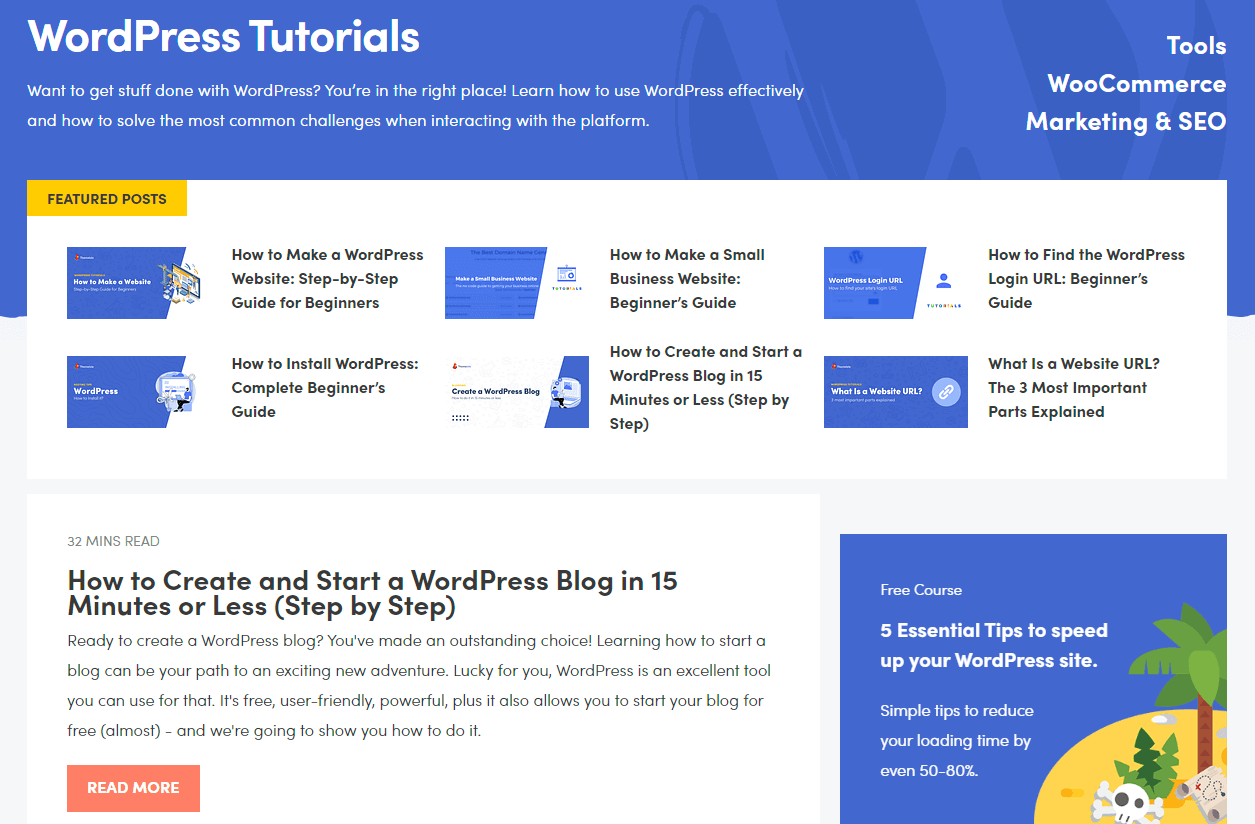
It’s also a good idea to consider the style and format of your posts. For instance, if you’re looking for long, in-depth posts that cite the latest studies and data, you might require a more experienced writer.
On the other hand, if you want to publish simple tutorials or beginner-friendly content, you won’t need to find someone with extensive knowledge in your industry. For example, a lifestyle blogger might still be able to produce easy-to-follow articles on starting a website or choosing a web host.
Step 2: Set a Budget
Next, you’ll want to establish a budget. This will be influenced by the requirements and criteria discussed in the previous section.
If you’re looking for an experienced technical writer, you’ll need to have a more generous budget. Those professionals will likely charge a lot more than someone with fewer years of experience or less specialized knowledge.
However, you’ll still want to set a maximum budget for your articles, to make sure your blog isn’t costing you more than it adds to your business. It’s important to think about length and volume at this stage as well.
How many articles do you want to publish on your blog per week or month, and about how long would you like them to be? The answers to these questions will help you make sense of freelancer and agency rates, and determine the most affordable solution.
Also keep in mind that some professionals may charge extra for add-ons like images, SEO, and editing. Therefore, you’ll need to decide which of these ‘extras’ you want, and find out how that will impact the final cost.
Step 3: Decide Where To Source Your Content
Once you know what content you need and how much you’re willing to pay for it, you’re ready to start browsing the available options. Your two main choices will be to hire an individual freelancer, or contract the services of a content writing agency.
Freelancers typically produce content for multiple clients, and manage everything on their own. This means they’ll take care of the entire article for you, from the outline stage to the final edit and SEO.
However, this also means that the turnaround time might be longer. A freelancer might not be able to produce a well-written and highly-researched article in just a couple of days, especially if they take on several projects at the same time.
Additionally, working with a freelancer can be an unreliable solution. Since they manage their own schedule, the freelancer can simply turn down an assignment when they’re on vacation or too busy with other clients (or even without giving a reason). This could leave you scrambling for a new writer who can publish an article in time for your big launch or sale. That new writer also won’t be familiar with your target audience and preferences.
Alternately, a content agency will have an entire team of writers, editors, and SEO specialists, who can produce quality articles on various topics. For instance, at WordCandy our writers specialize in WordPress and other tech-related topics, such as development, design, web hosting, marketing, and optimization.

Since an agency has more people available, they should be able to commit to a set schedule. For example, if you require five posts per month, you can expect receive your content on the agreed dates. You don’t have to worry about one individual falling ill, taking vacation, or simply stopping contact. There will also be multiple eyes on each piece of content, ensuring its quality.
For many businesses, a content agency offers all the benefits of working with a freelancer, while reducing or eliminating most of the associated drawbacks. Just make sure to select an agency that is willing to listen to your needs and produce content tailored to your audience and requirements, to avoid generic or ‘boilerplate’ posts.
4. Request Information and Samples
Once you find a few freelancers or agencies that you like, you’ll want to reach out to them and request some information. This provider will be creating content that represents you to your audience, so it’s important to vet your options carefully.
The questions you ask will depend partly on your needs, but you’ll likely want to know:
- The cost for content, and whether that cost varies based on volume, turnaround times, your requirements, etc.
- Exactly what is (and is not) included in the content service, and if there are any add-on charges
- What the process looks like from start to finish, and what you’re expected to provide
- Whether you can request that specific guidelines are followed (for example, a preferred tone, desired link usage, specific image sizes, etc.)
- How your posts will be optimized for search engines
- Whether posts are thoroughly edited and proofread
- What turnaround times you can expect
- How communication will be handled
- How revisions are handled if you’re unhappy with any element of a submitted post
It’s also vital to review samples of previous posts the freelancer or agency has written. This will help you determine if they are the best fit for the type of content you have in mind, and give you a sense for the quality of the finished product. We wouldn’t advise working with any content provider that cannot offer samples, preferably published under their own name.
5. Agree To a Schedule and Finalize the Details
Once you’ve decided what content provider you’d like to try, it’s time to agree to the details. This includes making sure they understand all of your requirements, communicating your preferred word count, and confirming the price. If you have an internal content style guide or any brand materials , you’ll want to send that over at this stage too.
Now is also the time to settle on a schedule. Blogs tend to perform best when you publish consistently. Your budget will guide how frequently you can publish, but it’s optimal to determine a set schedule upfront, whether that’s twice per month or once per day. Communicate this to your chosen content provider, and make sure they can keep up without any interruptions.
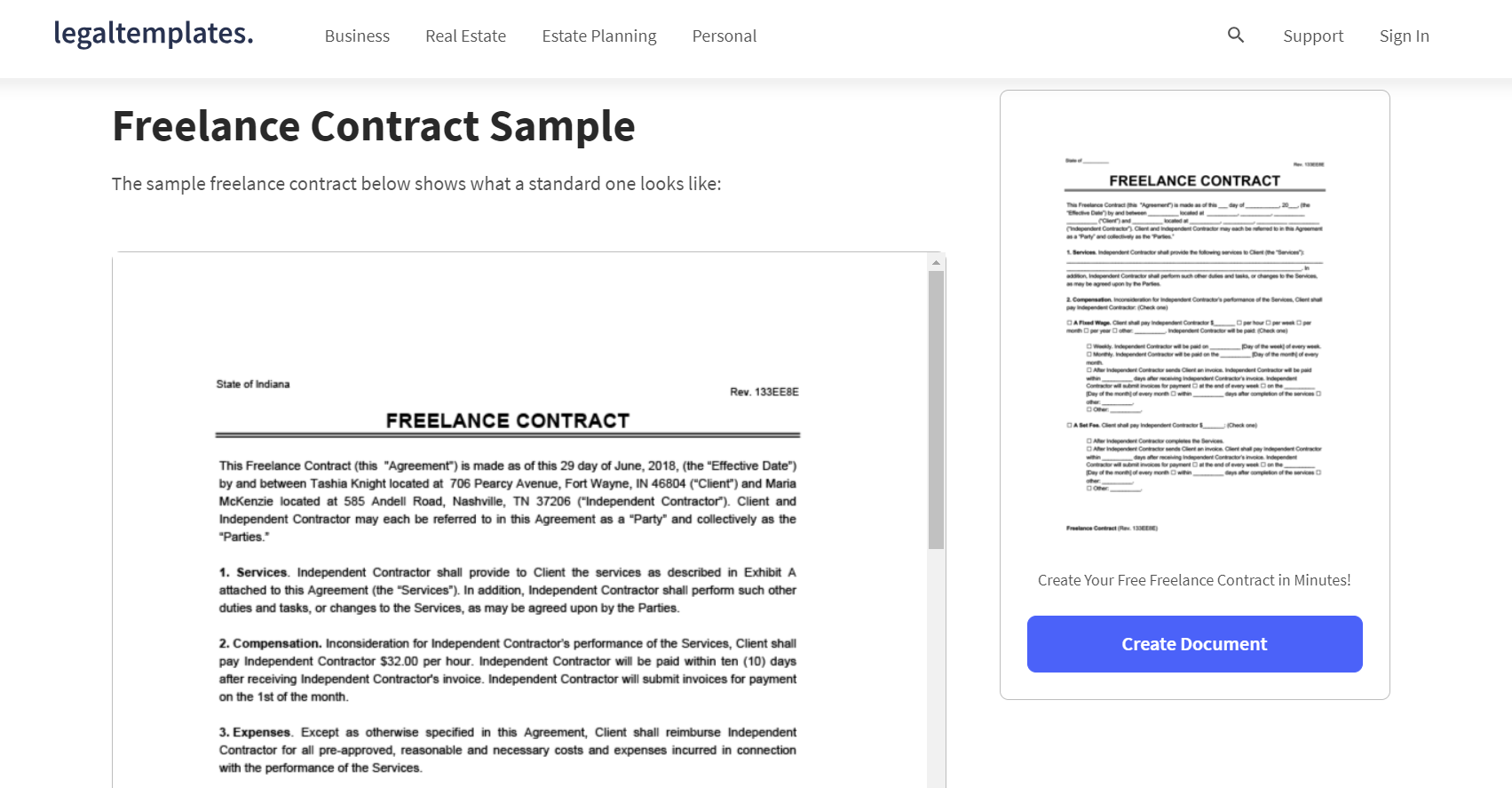
It’s best to get all of this information in writing if possible. Laying out the details over email is preferable to a call, so both sides can reference them if needed. Especially if you’re working with a freelancer, you may even want to draw up a contract. You can find templates online that will simplify this task.
Finally, remember that this kind of arrangement isn’t permanent. If one content provider isn’t working out for you, it’s always possible to look elsewhere.
At the same time, having an ongoing relationship with your content provider is beneficial. The more they learn about you and your blog, the better their work for you will be. So if you’re still not sure who to choose, we recommend testing out your top two or three options by sending each an initial trial post, and comparing the results.
Conclusion
For many businesses, outsourcing content creation makes more sense than writing articles in-house. It can save you both time and money. What’s more, when you have professional blog writers and SEO specialists producing well-researched and optimized content, you can rest assured knowing that you’re publishing quality content.
To recap, here are five essential steps to follow when hiring a blog writer:
- Define your requirements, including the type of content you want to publish.
- Set a budget, based on your resources and your desired posting frequency.
- Choose between hiring a freelancer or a content agency.
- Request information such as quotes, turnaround times, and writing samples.
- Agree to a schedule and finalize the details in writing.
If you need high-quality blog posts, we can help! At WordCandy, our expert writers and editors create traffic-driving articles on a wide range of topics.
Plus, we can maintain whatever posting frequency you prefer, and we’ll create posts designed specifically for your target audience and needs. Get in touch today!
Featured image: Vlada Karpovich.

Leave A Comment